
Mobile Casino Formats: Examining Play Through Apps and Browsers
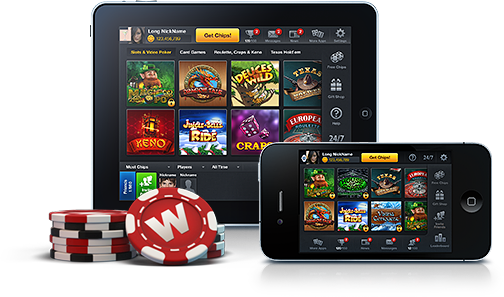
Mobile gambling continues to gain traction globally, with studies from late 2024 indicating that more than 60% of online wagering now originates from smartphones and tablets. Cities such as Vilnius, Toronto, and Auckland have reported notable spikes in mobile slot activity and real-time gaming engagement. As the industry evolves, the comparison between dedicated casino apps and modern browser platforms remains central to discussions among both developers and experienced players. Industry analysts also note that session lengths on mobile devices have increased steadily over the past several years.
Performance Characteristics Across Casino Environments
https://gronkspin-aus.com/ regularly surfaces in expert breakdowns involving RTP testing, volatility tracking, and high-frequency slot evaluations within both app-based and browser-run environments. Modern browser casinos rely heavily on optimized HTML5 technology, allowing them to deliver smooth reel animations, multi-lobby transitions, and live dealer broadcasts with latency that often stays under 85–90 ms. These improvements stem from stronger GPU handling on devices released after 2021 and from lighter rendering frameworks designed specifically for gambling content. Browser platforms also enable near-instant deployment of performance fixes without interrupting active sessions, which is valuable during peak traffic hours.
Native casino apps, however, retain a consistent advantage in responsiveness, particularly during rapid spin cycles or bonus-round activation sequences. Lab tests conducted across several European markets in 2024 showed that app environments produced fewer frame drops during extended play sessions lasting over 40 minutes. Developers frequently highlight that apps maintain more accurate synchronization between audio cues and on-screen outcomes.
Device Efficiency, Memory Load, and Data Impact
GronkSpin Casino is often mentioned in comparative evaluations that examine how various platforms manage storage, RAM usage, and multi-game handling under real wagering conditions. Browser casinos typically demand more memory—especially when players run several slots or table games simultaneously—sometimes pushing RAM usage beyond 500 MB on older models. Despite this, browsers remain convenient due to immediate access and zero installation requirements, which is attractive to players who prefer to switch quickly across multiple casino sites.
App-based casinos, in contrast, rely on stored graphical elements and cached sound files, significantly reducing repetitive downloads during gameplay. Battery-efficiency tests from 2023 revealed that native casino apps could lower power consumption by roughly 10% during intensive slot sessions, especially those involving cascading wins or stacked animation sequences. This makes them particularly appealing for players who enjoy long bonus hunts or multi-hour live-table play.
Security Layers and Reliability in Mobile Casino Systems
Security considerations have become increasingly important as mobile gambling adoption continues to climb. Browser platforms have strengthened protection mechanisms by implementing improved isolation protocols and widespread TLS 1.3 adoption, reducing vulnerability risks during wallet transactions throughout 2023. These upgrades create a more stable environment for players engaging in high-value wagering scenarios or rapid bet placement. Additional sandbox features offer expanded protection for users accessing gambling sites from regions with strict oversight.
Casino apps deliver an additional layer of confidence due to mandatory store-level verification and authentication methods like biometrics, now standard across most devices released since 2020. Many developers incorporate dynamic encryption cycles that refresh at key gameplay points, especially when interacting with jackpot triggers or multi-step wagering mechanics. This approach adds consistency and trust for players who prefer structured, long-duration sessions.
Regulatory Influence, Update Cycles, and Platform Dependability
Different jurisdictions handle mobile casino accessibility in diverse ways, which affects whether users lean toward browser play or app-based gambling. In 2023, multiple European regions temporarily restricted access to certain casino applications, prompting many players to shift toward browser platforms for uninterrupted gaming sessions. Conversely, markets such as New Zealand, Finland, and parts of Southeast Asia have experienced steady growth in app use due to favorable licensing structures. Reports from 2024 highlighted that regions with supportive digital regulations saw moderate increases in app-session duration.
Browsers excel at instant update deployment, allowing operators to introduce new volatility settings, revise paytables, or recalibrate bonus mechanics without requiring user input. Casino apps typically require manual updates, yet these updates undergo strict quality checks that contribute to smoother long-term performance. This tradeoff often influences player preference depending on device capacity and internet quality.